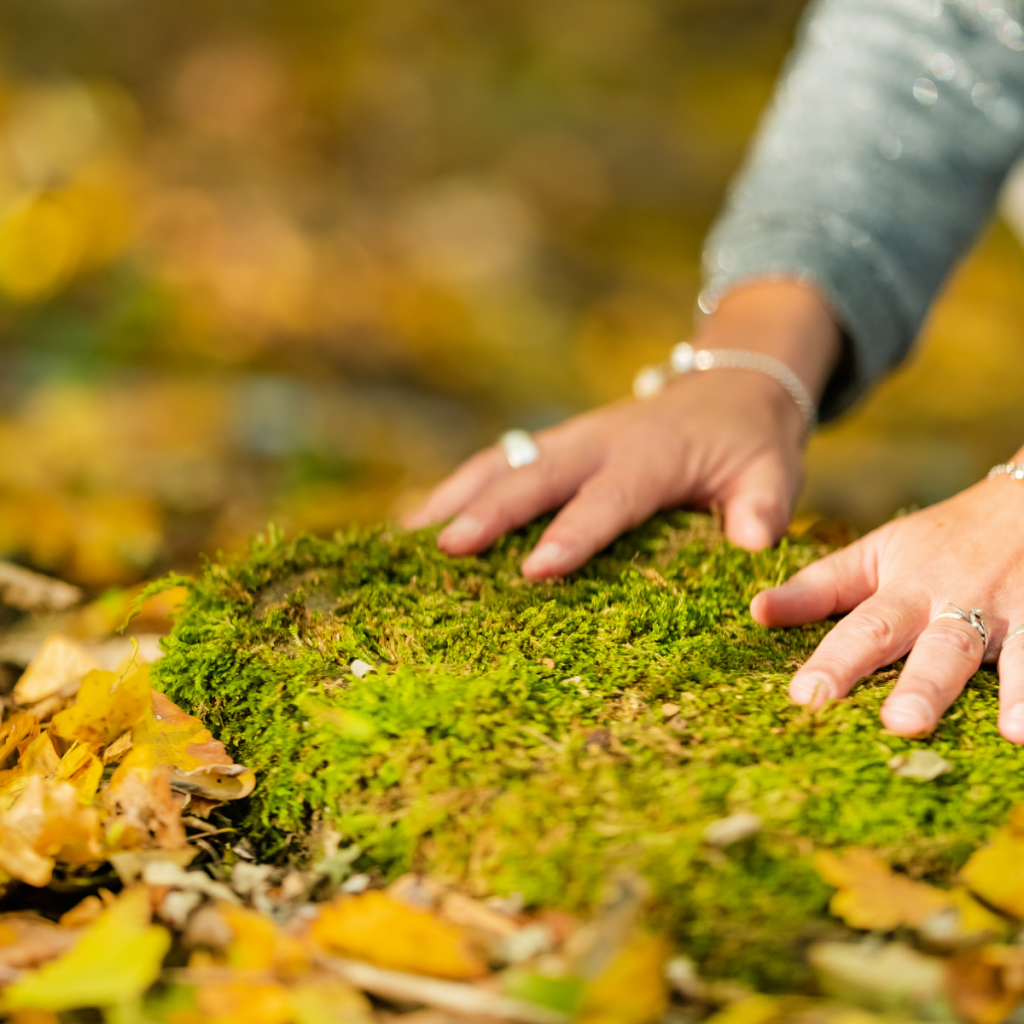





Ancient Perspectives on Earth Connection
Many people notice that spending time outdoors can leave them feeling calmer, clearer, and more balanced. Whether it’s a walk through a forest, sitting on a beach, or standing barefoot on grass, nature often seems to have a restorative effect.
While modern life keeps many of us indoors for much of the day, the idea that human wellbeing is closely connected to the natural world is far from new. Across cultures and throughout history, traditions around the world have recognised the importance of maintaining a connection with the earth.
Today, this idea is often discussed through the concept of grounding or earthing. Although the language may be modern, the underlying principle has roots that stretch back thousands of years.
Human Connection to the Earth Across Cultures
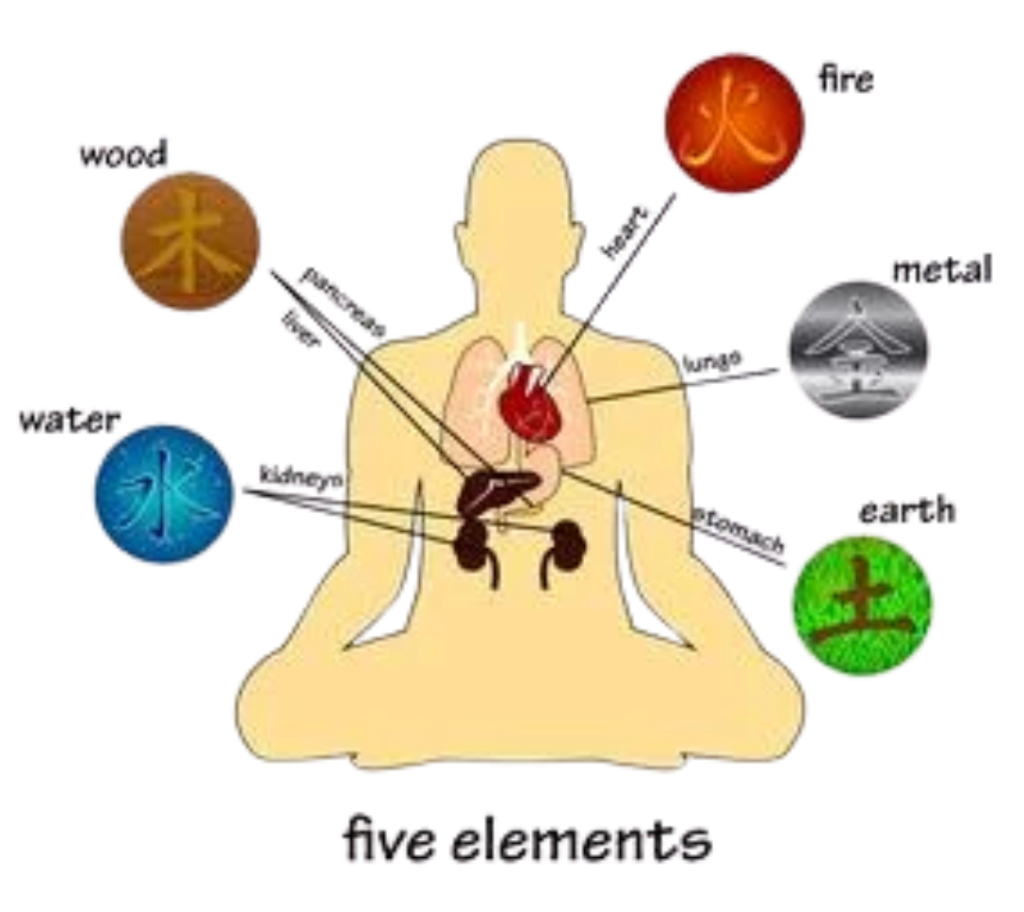
Across cultures and throughout history, the idea of human connection to the earth has been deeply embedded in how wellbeing is understood.
In many Aboriginal Australian traditions, health is closely tied to living in harmony with the land and recognising the interconnectedness between people and nature. Wellbeing is seen as something that arises from a close relationship with the land rather than something separate from it. Time spent in nature, including walking barefoot or sitting on the land, is understood as a way of restoring balance.
In traditional Chinese philosophy, this relationship is described through the concept of Qi, the life force or energy that flows through all things. This includes the earth, the heavens, and the human body. Practices such as acupuncture and Qi Gong are built around maintaining balance within this system. Points on the soles of the feet are used to encourage grounding, helping to settle the mind and draw excess mental activity downward, while movement practices focus on balancing upward and downward flows of energy.

In Europe, similar ideas appeared through naturopathic traditions in the late nineteenth century. Practitioners such as Sebastian Kneipp and Adolf Just encouraged people to return to simpler, nature-based practices, including barefoot walking on grass, soil, and shallow water. These approaches were believed to support circulation, resilience, and vitality, and they continue to influence modern naturopathy today.
Barefoot parks in parts of Europe still follow this thinking, offering varied natural surfaces like sand, stone, wood, and mud to stimulate the feet and heighten sensory awareness. For some, the appeal lies in reconnecting with something instinctive that modern footwear can distance us from.
For those less inclined to go barefoot outdoors, there are also modern alternatives such as conductive footwear accessories that allow for a form of grounding while still wearing shoes.
Why Nature Often Feels Grounding
Most people are familiar with the effect that time in nature can have. There is often a noticeable shift, a sense of calm, a slowing of thoughts, and feeling more centred and less stressed.
Part of this may simply come from stepping away from the demands of daily life and spending time in a natural environment. However, researchers have also begun exploring whether direct physical contact with the earth itself may play a role.
Some preliminary studies suggest that direct contact with the earth may help ease discomfort, support circulation, and influence markers linked with inflammation and immune function. You can explore some of the published research on the Groundology research pages.
Modern Research Into Grounding
Since the 1990s, researchers have been exploring how the earth’s surface energy may interact with the human body. Areas of interest include stress response, sleep quality, circulation, muscle recovery, and inflammation-related markers.

A lot of this research has been conducted using indoor grounding systems designed to replicate direct earth contact in indoor environments.
The concept is based on the idea that the earth carries a natural negative electrical charge, while the human body operates with its own electrical systems. When a conductive connection is made between the body and the earth, the body is thought to gradually equalise with the earth’s electrical potential.
Many grounding products use conductive materials such as silver fibres, carbon, or stainless steel. These connect via a cord to a grounded outlet or an external earth rod placed in the soil outside.
Once connected, the body is brought into electrical contact with the earth even while indoors. Some systems are designed to work through light layers of fabric, meaning direct skin contact is not always necessary.
Bringing Grounding Into Daily Life
Not everyone has the time or opportunity to spend long periods outdoors.
For many people, grounding begins with simple habits such as walking barefoot on grass, spending time at the beach, gardening, or sitting directly on natural ground. These activities offer an easy way to reconnect with nature as part of everyday life.
Others choose to use indoor grounding products to extend that connection while working, relaxing, or sleeping. While they do not replace fresh air, sunlight, or the experience of being outside, they can provide a practical way to incorporate grounding into daily routines.
Developing a Sustainable Grounding Practice
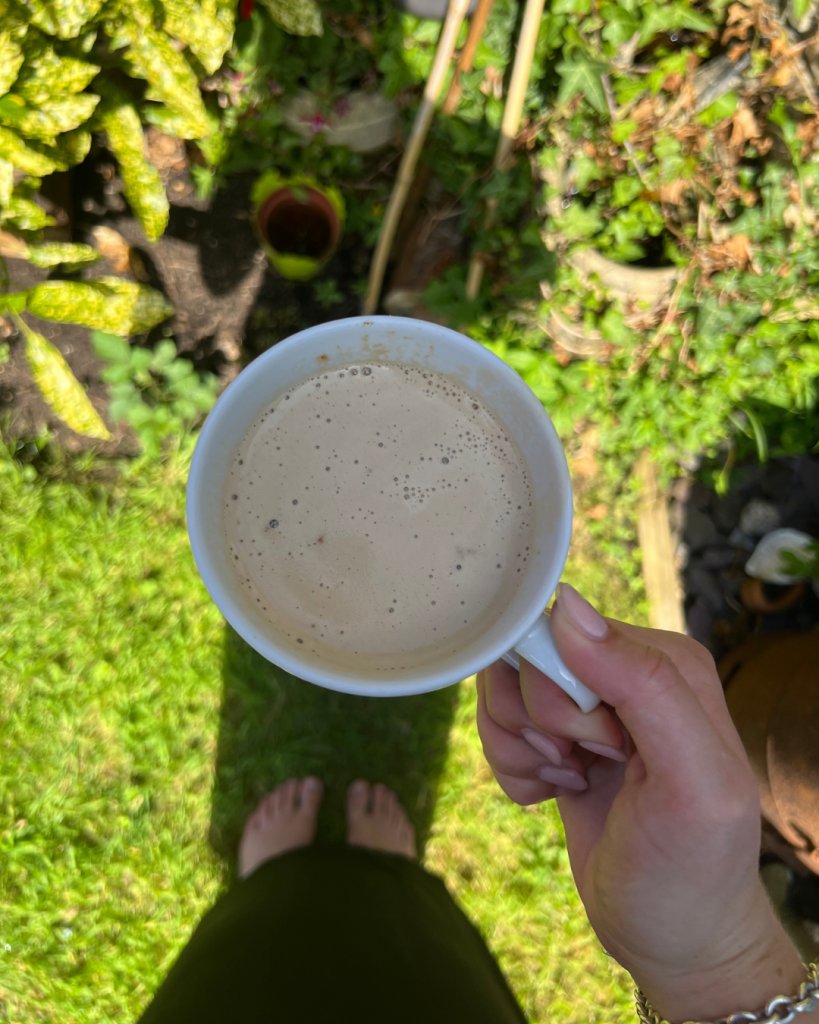
Grounding does not have to look the same every day. Many people weave it naturally into their routine by taking a morning coffee outside, going for a walk and slipping off their shoes, or practising yoga on a grounding exercise mat.
Others prefer setting aside dedicated time to connect with grass, sand, soil, or natural water. Some use grounding products so they can maintain contact with the earth while they work or sleep. For many, it is a combination of all of these approaches.
As schedules change, seasons shift, or access to outdoor spaces becomes more limited, indoor grounding can provide a convenient complement to time spent outside. It allows us to maintain a consistent grounding practice without relying entirely on opportunities to be outdoors.
Ultimately, grounding is not about following a strict routine. Whether practised outdoors in nature, indoors through grounding products, or through a combination of both, many people find value in maintaining a regular connection with the earth and making it part of everyday life.
Grounding is a simple practice with growing scientific interest. Whether you’re exploring its potential benefits for sleep, stress, inflammation or overall wellbeing, understanding how it works is the first step.
You can explore our full range of grounding products and research resources to see what may suit your routine.